

Once you’ve packed up your belongings and organized the logistics, let’s tackle one of the trickier tasks – moving your beloved aquarium and fish tank. Hiring one of the Best Movers in Los Angeles can surely help. Still, it’d always be nice to arm up with proper preparation and a little know-how. This way, you can ensure that your aquatic friends make the journey safely to their new abode. So read ahead as we’ll share some essential tips on how to prepare for moving your aquarium and fish tank so that you can embark on this adventure with confidence.
Get Your Fish Ready for Your Move
Before dismantling your aquarium, it’s crucial to ensure everything is in order for the move. Begin by finding a suitable location in your new home where you want to set up your tank. Take into consideration factors such as natural light exposure, temperature fluctuations, and accessibility for maintenance.
Next, create a checklist of all the supplies you’ll need during the moving process. This includes sturdy containers or buckets with lids to transport fish and plants temporarily, packing materials like bubble wrap or towels to protect delicate equipment, and plenty of water conditioners to treat the tap water at your new place.
Drain Any Remaining Water
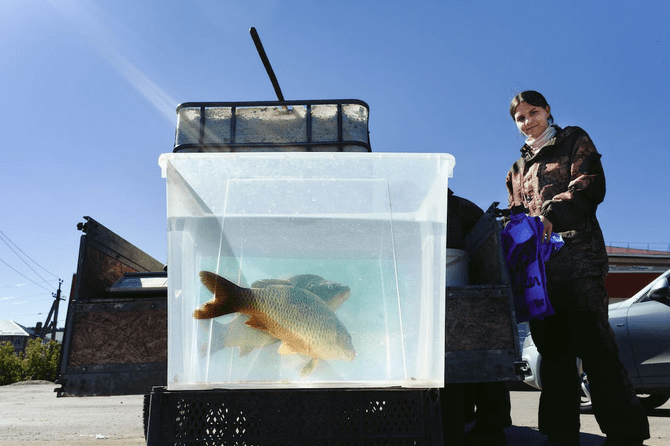
Draining any remaining water from your aquarium is the next important step before moving it to your new home. This task may seem simple, but it requires careful attention to ensure your fish’s and equipment’s safety. Get started by unplugging all electrical equipment connected to the tank, such as filters and heaters. It’s crucial to turn off these devices before removing any water.
Next, use a siphon or hose attachment to gradually drain the water from the tank. Be gentle and avoid creating strong currents that could stress out or harm your fish. As you remove the water, be mindful of any debris or waste that may have accumulated at the bottom of the tank. You can use a net or a siphon with a fine mesh attachment to carefully clean up this residue without disturbing the substrate too much. Once all the water has been drained, take some time to inspect your tank for any cracks or leaks that may have gone unnoticed previously.
Pack All the Equipment Properly
After draining any remaining water from the tank, you’ll need to carefully pack up all the necessary equipment to ensure it arrives in good condition at your new location. Make sure you have plenty of packing materials on hand. Bubble wrap and foam padding protect delicate items such as filters, heaters, and pumps. Wrap each piece individually to prevent any damage during transportation.
Next, label each box with its contents and handle them with care. Fragile stickers can be helpful reminders for movers or yourself when unpacking later on. It’s also a good idea to keep an inventory list of everything you’re packing so that nothing gets left behind or lost in transit.
Set Up the Tank Before Transferring the Fish Back
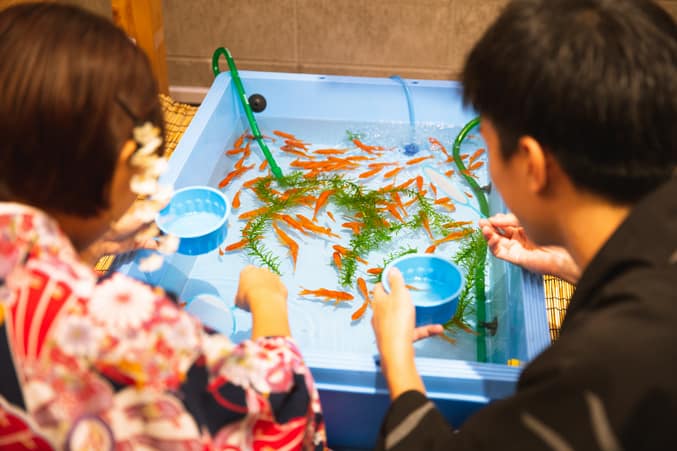
Moving your aquarium and fish tank to a new home can be stressful for you and your finned friends. But if you’ve finally been in your new place, it’s time to set up the tank before transferring the fish back. First, find the perfect spot for your aquarium in your new home. Ensure it’s away from direct sunlight, drafts, and high-traffic areas. Once you’ve chosen the ideal location, clean the tank thoroughly to remove any residue or build-up.
Next, carefully arrange all the equipment inside the tank – filters, heaters, and decorations. Before bringing back your aquatic pets, bring fresh water to the tank and treat it right with a dechlorinator to neutralize harmful chemicals. Allow time for temperature stabilization using a thermometer or adjusting the heater accordingly. Once everything is set up and running smoothly, acclimate your fish slowly by floating their bags in the newly prepared aquarium water for about 15 minutes.

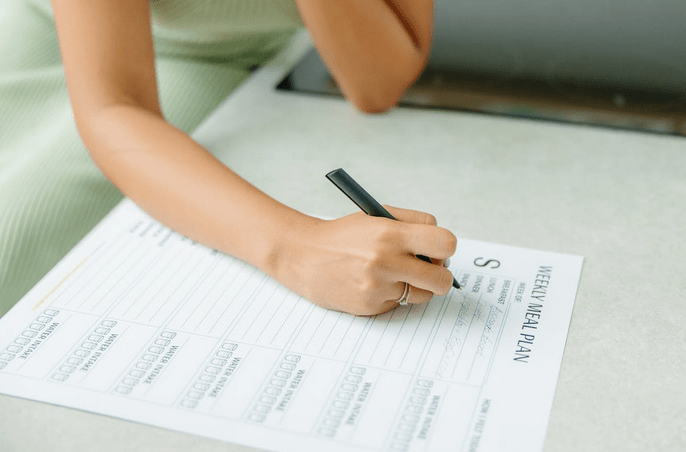 Creating a meal plan is one of the best ways to stay motivated to cook more meals at home. Meal planning helps you develop ideas for what to make and avoids the last-minute “what should I make for dinner?” stress. Having recipes predetermined also makes grocery shopping more accessible since you can buy only the ingredients you need for the meals you plan to make.
 Being organized can help keep you motivated to cook more meals at home. Have a designated place for all your cooking ingredients and supplies, so you don’t have to look for what you need. Ensure your kitchen is stocked with staple items you often use, so you don’t have to make a memorable trip to the store when it’s time to cook.
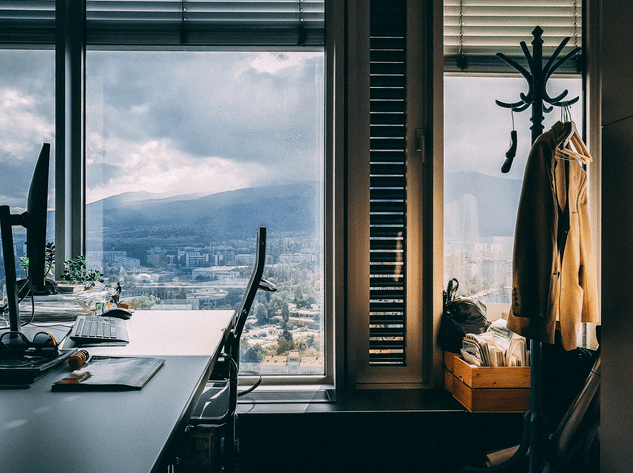 One of the first things you should consider when deciding if vinyl windows are suitable for your home is the climate you live in. If you live in an area with extreme weather conditions, such as sweltering summers or freezing winters, vinyl windows may not be the best option for you.
 Another factor to consider when choosing vinyl windows is the material’s aesthetic and how it will look in your home. Vinyl windows come in a variety of colors and styles, so you should be able to find something that compliments the style of your home.
 Finally, it would help to consider the sustainability of the vinyl windows you are considering for your home. Vinyl is a durable material, so the windows should last for many years. However, they are not recyclable, so they will end up in a landfill when they finally replace the windows. If sustainability is important to you, then you may want to consider other window materials that are more environmentally friendly.