From Communication to Technology: Transforming Medical Services for Better Healthcare

Technology and communication play a crucial role in the healthcare sector. The integration of these two aspects has brought about significant improvements in medical services, transforming the way healthcare is delivered. Fostering patient-centered care is very important and there are many things that medical professionals can do.
With the advancements in technology, there has been an increase in access to medical information, improved patient care, and enhanced communication among healthcare providers. In this section, we will delve deeper into the topic of how technology and communication are shaping medical services for better healthcare.
The Impact of Technology on Medical Services
The use of technology has revolutionized the delivery of medical services by providing more precise diagnosis and treatment methods. Advanced imaging techniques such as MRI, CT scans, and ultrasounds have made it easier for doctors to detect diseases at an early stage, leading to better treatment outcomes. Additionally, electronic health records (EHRs) have replaced traditional paper-based records, making it easier for healthcare providers to access patient information quickly and accurately.
Furthermore, telemedicine has emerged as a game-changer in improving medical services through technology. With the help of video conferencing tools and remote monitoring devices, patients can now consult with their doctors from the comfort of their homes. This not only saves time but also reduces unnecessary hospital visits for minor health concerns.
Improving Communication Between Healthcare Providers
Effective communication among healthcare providers is critical for delivering quality care to patients. Technology has significantly improved communication channels between doctors, nurses, clinicians, and other members of the healthcare team. Mobile devices such as smartphones and tablets allow instant messaging between healthcare professionals.
Importance of Effective Communication in the Medical Field
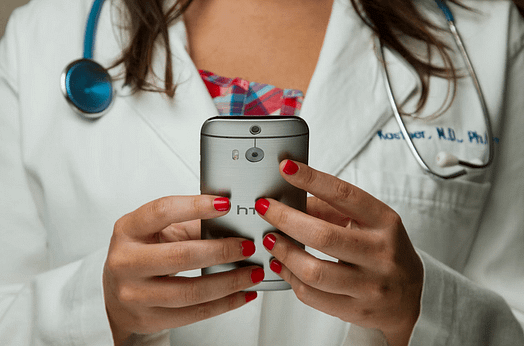
Effective communication is crucial in every aspect of life, but it holds even more significance in the field of medicine. In the medical field, effective communication can literally be a matter of life and death. It encompasses not only verbal exchanges between healthcare professionals but also non-verbal cues and written documentation.
· Patient Safety
Effective communication plays a vital role in ensuring patient safety. Miscommunication or lack of proper communication can lead to serious medical errors, such as wrong medication dosage or misdiagnosis. According to a study by the Joint Commission on Accreditation of Healthcare Organizations (JCAHO), inadequate communication was the root cause of 70% of sentinel events (unexpected occurrences involving death or serious physical or psychological injury) in hospitals.
· Building Trust
Communication is the foundation for building trust between patients and healthcare providers. When patients feel that their concerns are being heard and understood by their doctors or nurses, they are more likely to follow their treatment plans and have better health outcomes.
· Efficient Workflow
Effective communication leads to streamlined processes and efficient workflow within healthcare facilities. Clear and concise communication among staff members ensures that tasks are completed accurately and on time, preventing delays in patient care.
· Accurate Diagnosis
Proper communication among healthcare professionals is essential for accurate diagnosis and treatment plans for patients. With the clear exchange of information between various departments like radiology, laboratory, pharmacy, etc., doctors are able to help patients a lot faster.
Benefits of Using Technology in Healthcare
Technology has revolutionized various industries, and healthcare is no exception. The integration of technology in the medical field has brought numerous benefits that have greatly improved the quality of care provided to patients.
· Increased Accessibility
One of the most significant advantages of technology in healthcare is its ability to increase patients’ accessibility to medical services. With the use of telemedicine, patients can now consult with their doctors remotely through virtual appointments. This has proven extremely beneficial for individuals living in remote or rural areas with limited access to medical facilities. Moreover, patients with mobility issues or chronic conditions can also benefit from telemedicine as it eliminates the need for them to travel to a clinic or hospital physically.
Additionally, electronic health records (EHRs) have made it easier for healthcare providers to access patient information quickly and securely from anywhere with an internet connection. This means that even if a patient needs medical attention while traveling or away from their primary doctor’s office, their complete medical history is readily available for treatment.
· Improved Efficiency
Another major advantage of incorporating technology into healthcare is improved efficiency in various processes. For instance, electronic prescribing systems allow doctors to send prescriptions directly to pharmacies electronically without having to write them out or fax them over manually. This not only saves time but also reduces errors due to illegible handwriting.
Technology has revolutionized various industries, and healthcare is no exception. The integration of technology in the medical field has brought numerous benefits that have greatly improved the quality of care provided to patients. In this section, we will explore some of the key benefits of using technology in healthcare, such as increased accessibility and efficiency.
Strategies for Effectively Integrating Technology Into Medical Services
Integrating technology into medical services has become a crucial aspect of providing quality healthcare. With the rapid advancement in technology, it has become imperative for healthcare professionals to keep up with these changes to ensure efficient and effective delivery of medical services.
· Conduct Needs Assessment
Before incorporating any new technology into medical services, it is essential to conduct a needs assessment to identify the specific areas where technology can be implemented. This will help in understanding the gaps in current processes and systems and determine which technologies would be most beneficial for improving patient care.
· Provide Training Programs
Once the needs assessment has been completed, it is essential to provide proper training programs for healthcare professionals. These programs should cover not only technical aspects but also address any concerns or resistance that may arise from implementing new technologies. The training should also include best practices for using the technology to achieve maximum benefits.
· Encourage Open Communication
Effective integration of technology requires open communication between all stakeholders involved – from doctors and nurses to administrative staff and IT teams. It is crucial to create an environment that encourages open communication so that all team members are on board with the changes being made.
· Invest in User-Friendly Technologies
One of the key factors that can make or break the successful integration of technology is its user-friendliness. Healthcare professionals have varying levels of technical expertise. Therefore, investing in user-friendly technologies is extremely important.
The integration of communication and technology in the healthcare industry has brought about significant improvements in medical services and paved the way for better healthcare outcomes. From telemedicine to electronic health records, these advancements have transformed the way healthcare is delivered and received.